Ledger Says Devices Tampered to Capture Recovery Phrases Have Been Found in Berlin
Ledger says it has verified reports of tampered devices in Berlin, found one affected Ledger Nano Gen 5, one of its device models, in Southeast Asia and is investigating reports of two in Dubai. It says every device it has confirmed shows the same modification, its secure chip and operating system have no flaw, and no confirmed case involves a device bought on ledger.com. It has given no number for Berlin and no total of devices or of losses.
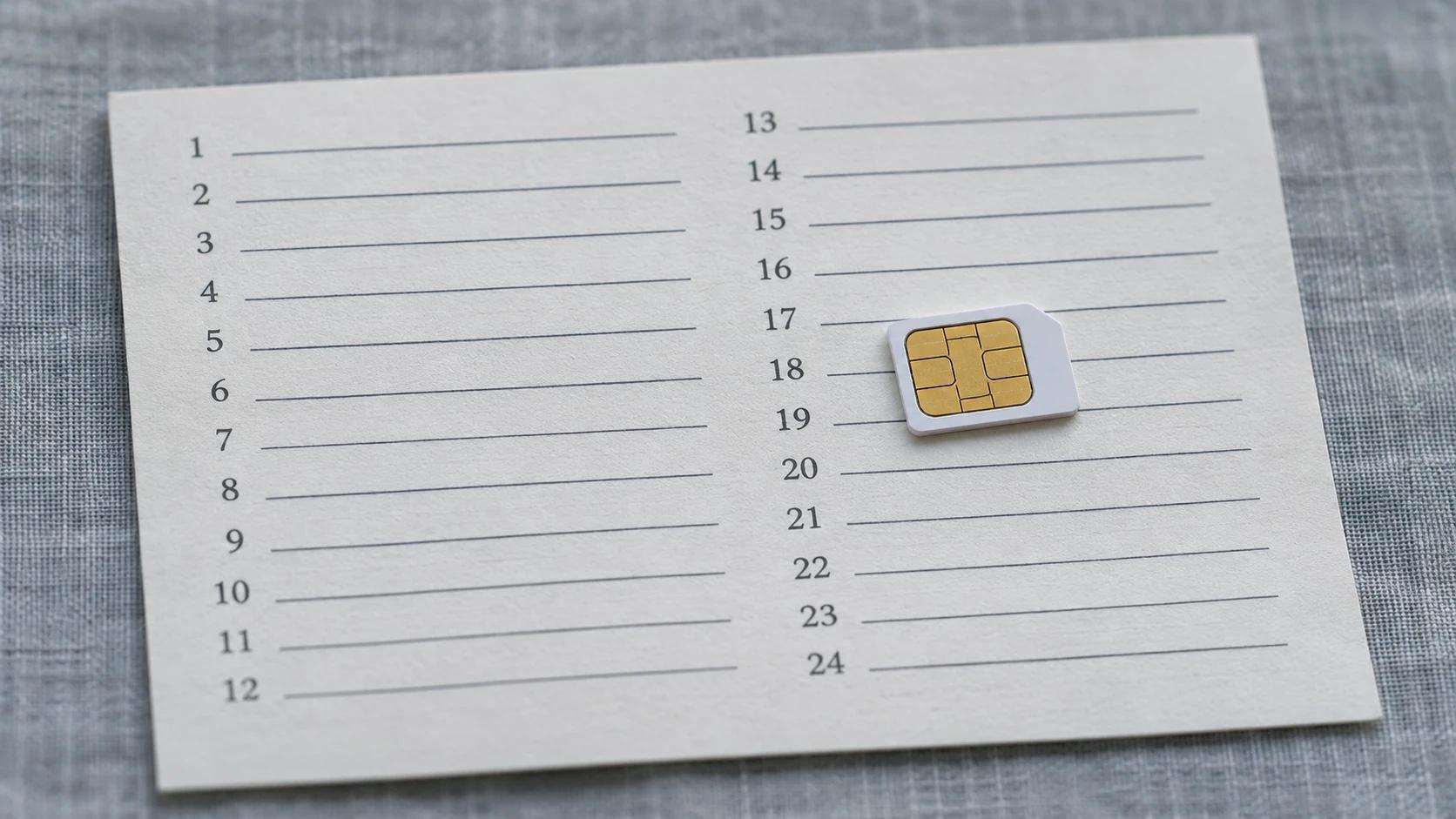
Ledger, a maker of hardware wallets, said on 18 November 2026 that wallets tampered with to capture their owners' recovery phrases have been found outside Southeast Asia, where it first reported cases in October. "Our findings since then show tampered devices outside Southeast Asia. It is the same incident," the company wrote in an update on its support site. "Every device we have confirmed shows the same kind of physical modification, built to capture the recovery phrase during setup."01 A recovery phrase is the list of 24 words a Ledger device shows during setup; it can rebuild the wallet on another device, and whoever holds it can move the bitcoin in that wallet.
On Germany, the update reads: "We have progressed in our investigation into reports of a few tampered units in Germany. These units were localized to Berlin." In the United Arab Emirates it is "investigating reports of 2 tampered units in Dubai" and working with its distribution partners "to understand how they entered circulation". In Southeast Asia, "We have found one case of a Ledger Nano Gen 5 being impacted." The company writes: "This continues to be a small number of devices overall, and we do expect more to be discovered in our investigation and via social media."01 On X at 18:09 UTC the same day, it wrote: "We verified reports of tampered devices in Berlin".02 The update gives no count for Berlin, does not say where the devices there were sold or when they were found, and does not mention a loss of funds from any device in Berlin or Dubai.
Ledger says its security lab, the Donjon, is examining suspected devices, that it is reviewing distribution records with its partners and working with law enforcement and the security community, and that it has asked resellers to pause sales where inspection is ongoing. The update also says: "There is no flaw in Ledger's secure chip or operating system, and no confirmed case involving a device bought on ledger.com."01
Ledger first said on 9 October that it was investigating "reports of loss of funds from users in South East Asia" who had bought from a reseller, CryptoBilis.04 The same day, two former co-founders of CryptoBilis wrote that "Earlier this year, CryptoBilis was acquired by new ownership", and that since a handover in March they have had "zero access" to its systems, customer databases and order histories.10 On 10 October Ledger said one affected user's device "contained an unauthorized hardware implant".05
On 13 October Ledger posted the Donjon's description of the implant: "the implant sits inside the enclosure and reads the data shown on the screen." When the device shows the recovery phrase, "its microcontroller decodes the words and transmits them over LTE using a provisioned eSIM": it sends them out over a mobile phone network through a SIM built into the implant. "It does not modify the Secure Element or the Ledger operating system, and it does not alter transactions or signatures." The Secure Element is Ledger's secure chip. The same post said all confirmed losses involved devices sold through CryptoBilis: "We have not verified a drain linked to a signer bought elsewhere." Ledger calls its devices signers. It added: "We have not confirmed the total number of affected users or the total value lost."06 Later that day Ledger asked resellers and distributors to suspend sales of its devices while the investigation continued, in "Indonesia, Singapore, Thailand, Philippines, Vietnam, Malaysia, and Hong Kong."16
On 14 October, after one customer in Germany reported an implant, Ledger said its team had inspected retail and distributor stock across the country: "None showed any sign of tampering. No loss of funds related to implants has been reported anywhere in Europe." It added: "We have not yet been able to examine the devices shown online."07 Ledger's page on checking a device says its Genuine Check proves that a device's secure chip is genuine. The page adds that the check "cannot detect unauthorized physical modifications to the hardware—such as spying implants—if the original Secure Element remains intact."08
On 15 October Ledger set out its account: a criminal group "bought genuine Ledger devices, opened them, fitted custom-built hidden components designed to capture the recovery phrase during setup, and put them back into distribution through resellers in South East Asia", and "struck in one coordinated operation, draining wallets."03
The Singapore Police Force said on 28 October that preliminary investigations revealed that "Ledger cryptocurrency hardware wallets purchased from some retail stores in Singapore contained malicious hardware components", that at least two cases had been reported since 10 September and that it "is in contact with Ledger". It named no store.09
Decrypt reported on 18 November that the investigation began after customers who bought from CryptoBilis reported losses, and that investigators tracing payments on public blockchains, whom it does not name, traced a suspected drain "from hundreds of victim wallets".11 Bitquery, a company that sells blockchain data, wrote the same day that one thief emptied 16 wallets, bitcoin wallets among them, on 14 and 16 November, including wallets of three owners who say they bought new Ledger devices in Dubai and Berlin, and that an address on another blockchain, TRON, which it ties to the October thefts, paid the network fees for two of the emptied wallets. Bitquery writes that it does not know how the thief got the owners' recovery phrases. It also writes that two people sharing the stolen phrases would leave the same trail on the chain, but that nothing on the chain points to that. In an update on 19 November, Bitquery writes: "Ledger has confirmed tampered devices in Berlin. It has not tied any of them to the thefts we traced."12
One of those owners posted on X on 18 November the IDs of two bitcoin transactions that the owner says were taken on 14 November from a Ledger Flex, another Ledger model, bought in Berlin. (The second ID, as posted, has an "l" where the chain has a "1".)13 Both are in bitcoin block 975,836, mined at 19:53 UTC on 14 November. In that block, nine transactions, each from a different address, sent all they spent, less the network fee, to one address and returned no change: 6.27076252 BTC in all, 4.72016119 BTC of it in the owner's two.14 By 21:22 UTC that address had passed everything to a second address, which on 16 November sent 6.27 BTC onward in three payments to three addresses that had never received bitcoin before.15 The chain shows the payments. It does not show who signed them, how the keys were obtained or which devices held them.
Ledger tells anyone who bought a device from a third party in Southeast Asia, in Berlin from January 2026, or in Dubai, and has any concern, to contact its support. For a device that may have been tampered with: "Do not use it to set up or restore a wallet." "Move your funds to a new wallet whose recovery phrase was created on a device bought directly from ledger.com. Do not reuse your current recovery phrase or passphrase, because a tampered device can capture both." Ledger tells owners of such a device to stop using it, file a claim with local authorities and then contact its support, which for a limited time can arrange an inspection, including X-ray analysis, at Ledger's factory in Vierzon, France. "Ledger will never ask for your 24-word recovery phrase," the company writes.01
Asked Ledger on 19 November, 10:36 UTC; no answer by publication.