
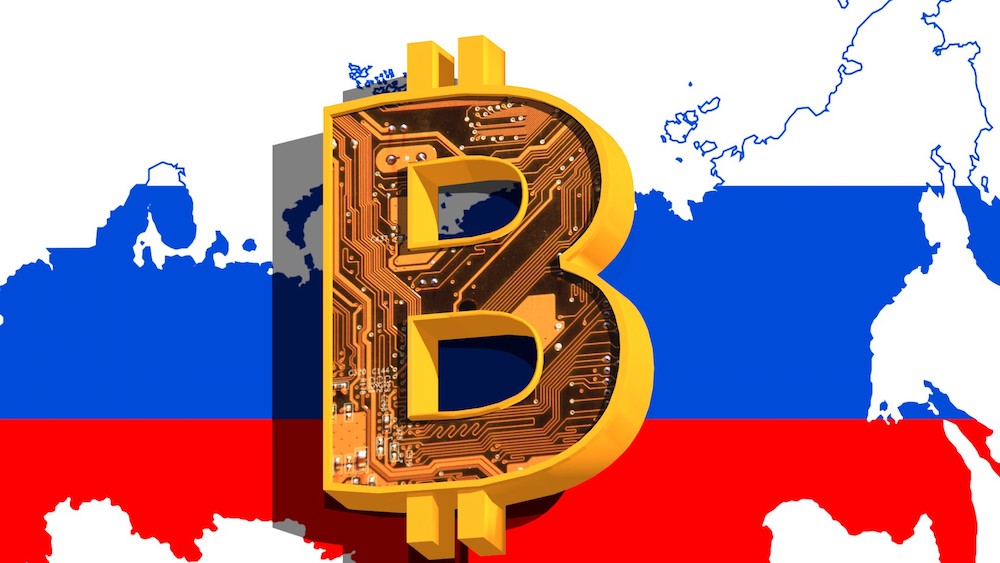
Russia’s central bank starts treating Bitcoin mining like an export channel
Russia’s central bank governor is now saying mining may be supporting the ruble — a sharp tone shift after years of anti-crypto rhetoric. If policy follows the rhetoric, the next step is “licensed rails” (banks) rather than bans.
Russia’s central bank governor Elvira Nabiullina is now publicly framing Bitcoin mining as an “additional factor” behind the ruble’s strength — while admitting the industry is still partly illegal and hard to measure.
That matters because Nabiullina has historically been on the “ban it” side of the argument. This is not a small rhetorical tweak — it’s a signal that Moscow is increasingly treating mining as an economic output rather than a purely speculative threat.
From “gray zone” to “industrial policy”
The core admission is blunt: a large part of mining remains in the gray zone, and illegal operators have been blamed for power shortages in hotspot regions.
But the policy direction is also clear: Moscow has been encouraging industrial miners to operate where there’s idle power — effectively turning stranded/cheap energy into an export-like revenue stream.
“Export item” language is the tell
Russian officials have been increasingly calling mining a “new export item” that can influence FX flows. That’s the framing change you should pay attention to: export language implies regulation, routing, and taxation, not prohibition.
You’ll see lower tolerance for backyard miners stealing power — and higher tolerance for large operators that can be monitored, taxed, and pointed at strategic goals.
Banks as the preferred rails
RBC reporting cited by DL News suggests the central bank is discussing crypto rules with other agencies, with a bias toward transactions being conducted through existing licensed market participants — likely banks.
Commercial giants like VTB and Sberbank have already signaled interest in crypto services and have launched derivatives products — a typical “test the waters” path before spot access for select clients.
What operators should watch next
If you’re a miner or builder watching Russia from the outside, the real indicators aren’t headlines — they’re implementation details:
Licensing language: “existing market participants,” “pilot,” “high net-worth” access.
Energy policy: specific regions singled out for “idle power,” tariffs, or enforcement campaigns.
Enforcement split: crackdowns on gray-zone miners while giving institutional miners a path to legality.
Bottom line: Russia is moving from “anti-crypto posture” to “state-shaped adoption.” That doesn’t mean friendly — it means controlled.
Sources
More from the Mining desk
Open desk →How Bitcoin mining quietly became FX infrastructure for Russia and Paraguay
Russia’s central bank now admits mining is one factor propping up the ruble. In Paraguay, hydro-backed miners are turning surplus power into hard-currency flows. Bitcoin hash is starting to look like foreign-exchange infrastructure.
How Libya’s almost-free power turned into a Bitcoin mining headache
Ultra-cheap, subsidized power and weak institutions quietly turned Libya into a covert mining hub. Now the same grid is straining under the load, and prosecutors are jailing operators as power thieves.
Hut 8 turns Bitcoin mining power into Anthropic AI data centers
The Canadian miner is turning part of its power footprint into hyperscale AI compute, backed by Anthropic, Fluidstack, and a Google guarantee.